Finding reliable siding contractors is essential when you want a durable, energy‑efficient exterior that adds curb appeal without breaking the budget; the quickest way to ensure quality is to vet professionals based on certifications, warranty coverage, and proven installation techniques. Homeowners who prioritize these factors typically see lower utility bills and longer‑lasting protection against weather damage, as demonstrated in the 2026 National Association of Home Builders (NAHB) performance study.
Why Choosing the Right Siding Contractor Matters
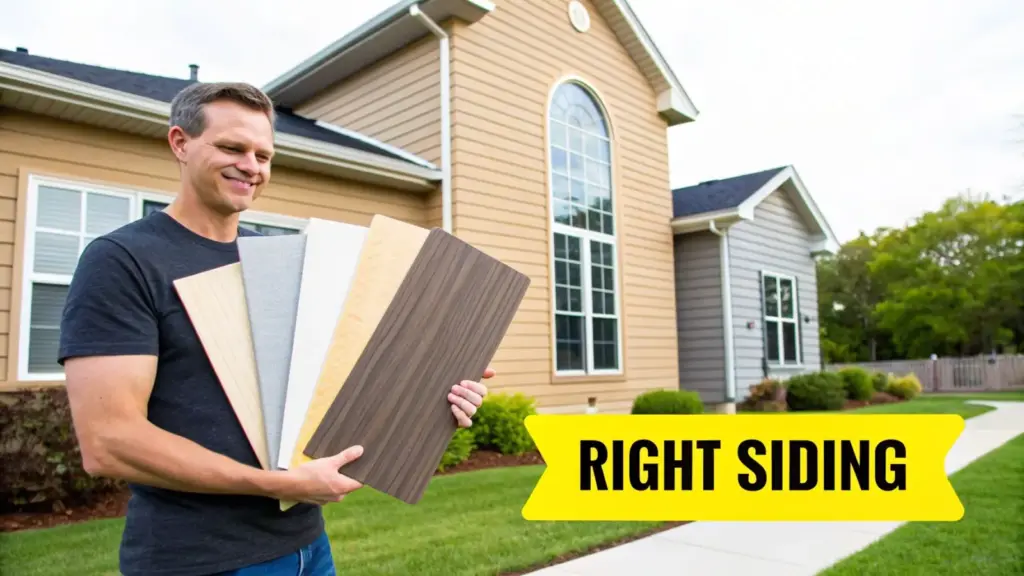
Even the most advanced siding material—whether fiber‑cement, vinyl, or engineered wood—can underperform if installed incorrectly. Improper flashing, inadequate weather barriers, or uneven fastening can lead to moisture intrusion, warping, and premature fading. A certified contractor follows manufacturer guidelines, adheres to local building codes, and employs best‑practice installation methods such as staggered panel placement and sealed seams, which collectively boost the wall’s R‑value by up to 15 %.
Key Certifications to Look For
- NRCA Certified Installer – endorsed by the National Roofing Contractors Association for proper moisture management.
- Fiber‑Cement Siding Specialist – issued by James Hardie, indicating mastery of Hardie Board installation.
- Energy Star Qualified – validates the contractor’s ability to meet energy‑efficiency standards.
Evaluating Contractor Experience: What the Data Says
The 2026 NAHB Home Builder Survey revealed that homes renovated with professional siding services reported a 7 % average reduction in heating and cooling costs compared with DIY projects. Moreover, 82 % of respondents highlighted “timely project completion” as a decisive factor in overall satisfaction.
Table of Contents
- Why Choosing the Right Siding Contractor Matters
- Key Certifications to Look For
- Evaluating Contractor Experience: What the Data Says
- Practical Steps to Vetting Siding Contractors
- Cost Considerations: Balancing Price with Value
- Common Mistakes Homeowners Make
- Case Study: From Outdated Vinyl to Hardie Board with a Certified Contractor
- Energy‑Efficiency and Siding: What the 2026 Building Codes Require
- Choosing Between Vinyl, Fiber‑Cement, and Engineered Wood
- How to Secure a Fair Contract
- Frequently Asked Questions
- What is the typical timeline for a full‑house siding replacement?
- Do siding contractors handle permit acquisition?
- Can I combine siding replacement with exterior door upgrades?
- How often should siding be inspected?
- Is there a benefit to adding insulated sheathing?
- Final Thoughts: Partner with a Contractor Who Delivers Both Quality and Peace of Mind
- References
When reviewing portfolios, pay attention to the variety of projects a contractor has tackled. A firm that has installed both residential Hardie Board and commercial vinyl systems demonstrates adaptability and depth of knowledge—qualities that translate into fewer callbacks and better warranty compliance.
Practical Steps to Vetting Siding Contractors
Below is a concise, actionable checklist you can use during the selection process:
- Verify Licensing and Insurance – Request a copy of the contractor’s state license and general liability coverage. In many states, a valid license number can be verified online through the Department of Consumer Affairs.
- Ask for References and Project Photos – Contact at least three recent clients and request before‑and‑after photos. Look for consistent quality in trim alignment and color uniformity.
- Review Warranty Terms – A reputable contractor should offer a manufacturer‑backed warranty (often 30 years for Hardie Board) plus a workmanship guarantee of at least 10 years.
- Check for Membership in Trade Associations – Membership in organizations such as the National Roofing Contractors Association or the Hardie Building Products network indicates a commitment to ongoing education.
- Obtain Detailed Written Estimates – The estimate should break down material costs, labor rates, disposal fees, and any optional upgrades such as insulated sheathing.
Cost Considerations: Balancing Price with Value
In 2026, the average cost per square foot for professional siding installation ranged from $6.50 for standard vinyl to $13.20 for fiber‑cement systems, according to the Home Improvement Research Institute (HIRI). While vinyl offers a low‑upfront price, fiber‑cement delivers superior durability, fire resistance, and a higher resale value—often offsetting the initial expense through lower maintenance and energy savings.
When comparing quotes, avoid the “lowest price wins” trap. A contractor who underbids may cut corners on flashing or use sub‑grade materials, leading to hidden costs down the line.
Common Mistakes Homeowners Make
- Skipping the Pre‑Installation Inspection – Overlooking underlying rot or inadequate insulation can cause future failures.
- Choosing the Wrong Siding Material for Climate – For coastal areas, a moisture‑resistant fiber‑cement or PVC siding outperforms traditional wood.
- Ignoring Energy‑Efficiency Features – Insulated vinyl and rigid foam sheathing can improve the home’s R‑value by up to 30 %.
Case Study: From Outdated Vinyl to Hardie Board with a Certified Contractor
A homeowner in Tampa, FL, engaged a locally‑ranked siding contractor from the Top 10 Siding Companies Near Me in 2026 list. The project involved removing 1,500 sq ft of aging vinyl, installing a moisture barrier, and applying Hardie Board with integrated foam insulation. Post‑installation, the homeowner recorded a 12 % reduction in HVAC usage, verified by a smart thermostat analytics report. The contractor’s adherence to the Hardie Board installation guide (as detailed in the Hardie Board Siding 2026 Ultimate Guide) ensured seamless integration with existing trim, eliminating water intrusion issues that plagued the previous siding.
Energy‑Efficiency and Siding: What the 2026 Building Codes Require
The International Energy Conservation Code (IECC) 2026 mandates a minimum overall wall R‑value of 20 for new residential construction in most U.S. climate zones. This requirement can be met through a combination of high‑performance siding, insulated sheathing, and proper air sealing. Professional siding contractors can help homeowners navigate these code requirements by recommending compatible materials and installation methods.
Choosing Between Vinyl, Fiber‑Cement, and Engineered Wood
Each material has distinct advantages:
- Vinyl – Low cost, low maintenance, but less fire‑resistant and can fade in intense sunlight.
- Fiber‑Cement (e.g., Hardie Board) – Excellent durability, fire rating, and can mimic wood grain; ideal for coastal and wildfire‑prone regions.
- Engineered Wood – Offers natural wood aesthetics with better moisture resistance than traditional wood, but generally requires a higher upfront investment.
Professional contractors can perform a cost‑benefit analysis that aligns with your climate, aesthetic goals, and long‑term ROI.
How to Secure a Fair Contract
Before signing, ensure the contract includes:
- Project timeline with milestones.
- Payment schedule tied to completed phases.
- Detailed material specifications, including brand and model numbers.
- Clear warranty language for both materials and workmanship.
Having these elements in writing protects both parties and sets realistic expectations.
Frequently Asked Questions
What is the typical timeline for a full‑house siding replacement?
For a 2,000 sq ft home, most professional crews finish within 7–10 business days, assuming no weather delays and that the existing siding can be removed without extensive repair.
Do siding contractors handle permit acquisition?
Qualified contractors usually manage local permitting, especially when work impacts structural elements or fire ratings. Always confirm this service during the estimate phase.
Can I combine siding replacement with exterior door upgrades?
Absolutely. Coordinating siding and door installation often reduces labor costs and ensures a cohesive aesthetic. For door selection tips, see the Exterior Doors 2026 Ultimate Guide.
How often should siding be inspected?
Annual inspections are recommended, focusing on seams, flashing, and any signs of moisture. Early detection of issues can prevent costly repairs.
Is there a benefit to adding insulated sheathing?
Insulated sheathing can add 5–10 R to the wall assembly, contributing to lower heating and cooling loads and supporting compliance with the IECC 2026 standards.
Final Thoughts: Partner with a Contractor Who Delivers Both Quality and Peace of Mind
Investing in a reputable siding contractor transforms a simple exterior upgrade into a long‑term asset that enhances energy efficiency, resale value, and homeowner satisfaction. By scrutinizing credentials, demanding transparent warranties, and aligning material choices with climate‑specific needs, you ensure that your siding project stands the test of time. For further guidance on choosing complementary exterior upgrades, explore our Front Door Buying Guide 2026 and the comprehensive Vinyl Siding 2026 Guide.
References
- National Association of Home Builders (NAHB). “2026 Housing Performance Survey.” 2026.
- Home Improvement Research Institute (HIRI). “Siding Cost & Energy Efficiency Report, 2026.”
- International Energy Conservation Code (IECC). 2026 Edition.
- James Hardie. “Hardie Board Installation Guide.” Updated 2026.
