When homeowners and contractors search for “exterior doors,” they’re usually looking for the best blend of curb‑appeal, security, and energy performance that can survive harsh weather while adding value to a property. Selecting the right door isn’t just a cosmetic decision; it impacts heating bills, resale price, and even the structural integrity of the home. In this guide we’ll break down the most important factors, show real‑world case studies, and give you a step‑by‑step plan to choose, install, and maintain exterior doors that meet 2026 standards for durability and efficiency.
Why Exterior Doors Matter in 2026
According to the U.S. ENERGY STAR program, exterior doors account for up to 15 % of a home’s heat loss in cold climates. The 2026 Residential Energy Consumption Survey (RECS) reports an average annual savings of 8 % when a high‑performance door replaces a standard model. Beyond energy, the door is the primary barrier against wind, rain, and intruders, making it a focal point for both safety and weather resistance.
Core Features to Prioritize
1. Energy‑Efficient Construction
Look for doors with a low U‑value (≤ 0.30 Btu/ft²·°F) and high R‑value in the frame. Fiberglass, insulated steel, and premium wood cores with foam cores dominate the market. The National Renewable Energy Laboratory (NREL) highlighted that insulated steel doors with a thermal break reduce heat transfer by 30 % compared to non‑break models.
Table of Contents
- Why Exterior Doors Matter in 2026
- Core Features to Prioritize
- 1. Energy‑Efficient Construction
- 2. Weather‑Resistant Materials
- 3. Security and Hardware
- 4. Design and Aesthetic Compatibility
- Real‑World Case Study: Retrofit on a 1970s Ranch
- Step‑by‑Step Guide to Choosing and Installing Exterior Doors
- Common Mistakes and How to Avoid Them
- FAQs About Exterior Doors (People Also Ask)
- What is the best material for an exterior door in a humid climate?
- How often should exterior door hardware be lubricated?
- Can I install a new exterior door without replacing the frame?
- Do glass inserts affect energy efficiency?
- What warranty should I expect?
- Future Trends to Watch in Exterior Doors
- Conclusion
2. Weather‑Resistant Materials
Coatings that resist UV fading, moisture intrusion, and warping are essential. Vinyl siding manufacturers have begun offering integrated door panels with UV‑stabilized polymer blends, which complement the Vinyl Siding 2026 Guide recommendations for a seamless façade.
3. Security and Hardware
Multi‑point locking systems, reinforced strike plates, and reinforced hinges are now standard on most premium front entry doors. The Home Security Association (HSA) 2026 report found a 22 % reduction in forced entry incidents when homeowners upgraded to doors with Grade 1 deadbolts and reinforced frames.
4. Design and Aesthetic Compatibility
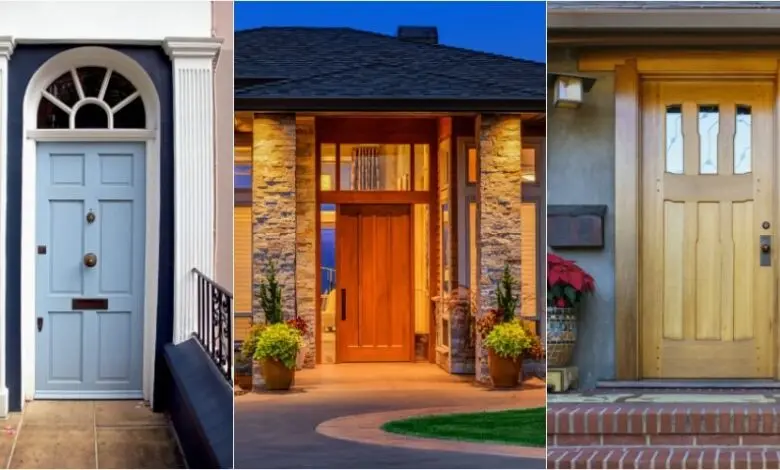
Modern design trends favor bold panels, glass inserts, and minimalist hardware. Yet, the door must harmonize with the home’s architectural style—colonial, craftsman, or contemporary. For a deeper dive into design trends, see the Front Door Buying Guide 2026.
Real‑World Case Study: Retrofit on a 1970s Ranch
John and Maya Patel in Austin, Texas, replaced their aging 20‑year‑old wood door with an insulated fiberglass model featuring a low‑E glass panel. After installation, the house’s heating bill dropped from $2,300 to $1,950 annually—a 15 % reduction. They also noted a noticeable improvement in draft reduction during the 2025 winter storm season. Their installer sourced the door from a local siding company listed in the Top 10 Siding Companies Near Me in 2026 article, which helped coordinate siding and door installation for a seamless finish.
Step‑by‑Step Guide to Choosing and Installing Exterior Doors
- Assess Climate & Energy Needs – Use the Department of Energy’s energy calculator to estimate potential savings.
- Set a Budget & Priorities – Determine if you value aesthetics, security, or energy efficiency most. High‑performance doors typically range from $1,200 to $3,500, including hardware.
- Measure Accurately – Record rough opening width, height, and depth. Remember to add ½ inch on each side for the frame.
- Choose Material & Style – Fiberglass for moisture‑prone zones, steel for security‑focused homes, or engineered wood for historic preservation.
- Inspect Door Hardware – Opt for reinforced hinges, Grade 1 deadbolts, and a multipoint lockset.
- Hire Certified Installers – Look for contractors with the “Certified Door Installer” badge from the Door and Frame Institute (DFI).
- Seal and Weatherproof – Apply a high‑quality silicone sealant around the perimeter and install a continuous drip edge.
- Test Performance – Conduct a “blower door test” after installation to confirm airtightness. A good door should achieve ≤ 0.5 ACH50 (air changes per hour at 50 Pa).
Common Mistakes and How to Avoid Them
- Skipping the Pre‑Installation Inspection – Overlooking uneven framing can cause gaps and reduced energy performance.
- Choosing the Cheapest Hardware – Low‑grade hinges and locks wear quickly, compromising security.
- Neglecting Proper Weatherstripping – Even a premium door will leak air if the perimeter seal is inadequate.
- DIY Installation Without Training – Improper shimming or fastening can warp the door, leading to premature failure.
FAQs About Exterior Doors (People Also Ask)
What is the best material for an exterior door in a humid climate?
Fiberglass doors with a polymer core resist swelling and rot, making them ideal for humid regions. Look for a marine‑grade finish for added protection.
How often should exterior door hardware be lubricated?
Lubricate hinges and lock mechanisms twice a year—once in spring and once in fall—using a silicone‑based lubricant to prevent corrosion.
Can I install a new exterior door without replacing the frame?
Yes, if the existing frame is square, level, and undamaged. However, a full frame replacement ensures optimal energy performance and security.
Do glass inserts affect energy efficiency?
Low‑emissivity (low‑E) glass can actually improve efficiency by reflecting heat back into the home during winter and blocking solar gain in summer. Ensure the glass meets ENERGY STAR criteria.
What warranty should I expect?
Reputable manufacturers offer a 10‑year limited warranty on the door slab and a 5‑year warranty on hardware. Verify coverage for finishes and weatherstripping.
Future Trends to Watch in Exterior Doors
By 2027, smart‑integrated doors equipped with biometric locks, Wi‑Fi‑enabled sensors, and automated ventilation will become mainstream. Additionally, manufacturers are experimenting with bio‑based composite materials that promise a carbon‑negative footprint while maintaining durability.
Conclusion
Choosing the right exterior door in 2026 means balancing energy efficiency, security, weather resilience, and design. By following the practical steps outlined above—assessing climate, measuring accurately, selecting high‑performance materials, and working with certified installers—you can achieve measurable energy savings, enhance curb appeal, and protect your home for decades. Remember, a well‑chosen door is an investment that pays off in lower utility bills, higher resale value, and peace of mind.
For more insights on coordinating doors with siding, explore our Vinyl Siding 2026 Guide. If you’re focused on the front entry specifically, the Front Door Buying Guide 2026 offers detailed comparisons of lock systems and design trends.
For a comprehensive overview of exterior door types and history, see the Wikipedia entry on exterior doors.
